
The Grand Lodge of Antient (the original spelling of ancient) Free and Accepted Masons of Scotland, established in 1736, serves as the governing body of Scottish Freemasonry. Headquartered in Edinburgh, it is led by the Grand Master Mason. The organisational structure includes 32 Provincial Grand Lodges within Scotland, 26 District Grand Lodges overseas, and 4 Superintendents who oversee Lodges in smaller territories. Additionally, some individual Lodges operate directly under the supervision of the Grand Lodge of Scotland.
The Grand Master Mason appoints Provincial and District Grand Masters to assist in the management and oversight of the Lodges within their respective provinces and districts worldwide.
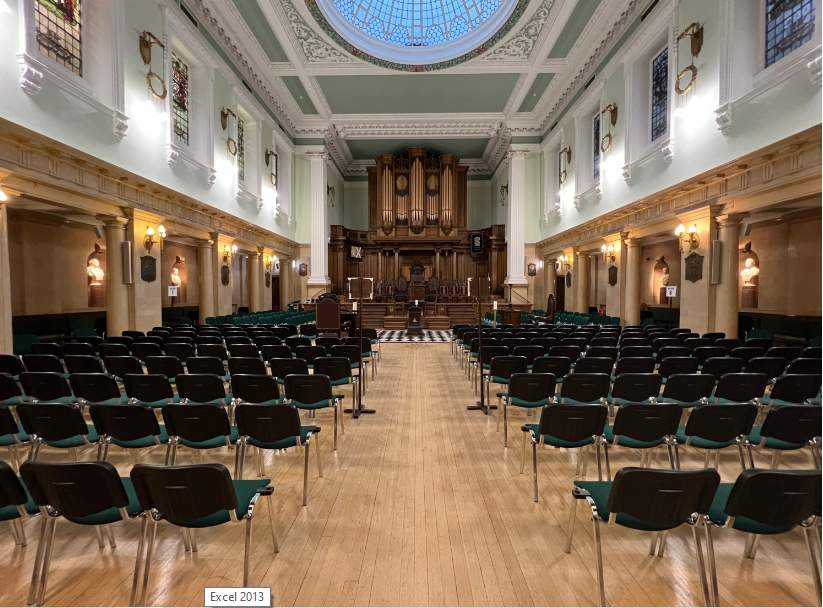
The origins of Freemasonry are somewhat obscure, but it is widely believed to have evolved from the stonemason trade guilds of the Middle Ages, known as ‘Incorporated Trades’ or ‘Crafts’. These craft organisations held Royal charters, or ‘Seals of Cause’, granting them the exclusive right to work within the Royal Burghs during that period. The symbols and language used in modern Masonic rituals are derived from these ancient craft traditions.
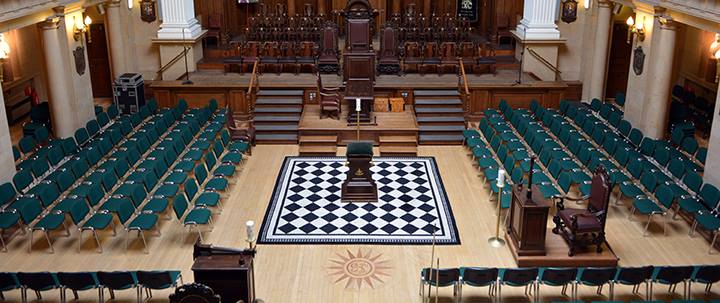
The term ‘Freemason’ was first recorded around 1390, initially referring to operative stonemasons. The earliest documented Masonic Lodge meeting dates back to January 1599 at Lodge Aitchison’s Haven in East Lothian, Scotland, which continued until 1852. In July 1599, the Lodge of Edinburgh (Mary’s Chapel) began recording minutes, many of which are now preserved in the museum of the Grand Lodge of Antient Free and Accepted Masons of Scotland, showcasing the long-standing heritage of these historic Lodges.